

Artificial intelligence needs human teachers. Behind every AI model that recognises a face, understands speech, or reads a document, there are thousands of hours of human work, labelling, tagging, and verifying data. This is called data annotation, and it is one of the most accessible remote income opportunities for Ugandans today.
01 What Exactly is Data Annotation?
Data annotation means labelling raw data so that AI systems can learn from it. A self-driving car needs to recognise pedestrians, so humans watch thousands of video clips and draw boxes around every person in every frame. That is annotation. Types of work include: image labelling (drawing bounding boxes, classifying objects), audio transcription (writing out what people say), text classification (categorising sentences by topic or sentiment), and data quality review (checking that other annotators did their work correctly).
02 How Much Can You Earn?
Pay varies by platform and task complexity. Entry-level annotation tasks typically pay USD $1 to $5 per hour. More skilled tasks, medical image annotation, complex NLP labelling, quality assurance roles — pay significantly more. Samasource (now Sama), which has operated in Kampala, paid Ugandan workers a living wage well above local average pay for this type of work. The key is building skills and a track record that qualifies you for higher-level tasks.
03 How to Get Started
The entry requirements are lower than most people expect. You need: basic computer literacy (especially typing accuracy and attention to detail), reliable internet access, and the ability to follow detailed guidelines precisely. A Computer Fundamentals certificate is the standard starting credential that most platforms and employers will look for.
Start with our free Computer Fundamentals course
Our free Computer Fundamentals course builds exactly the skills needed to begin data annotation work. Complete it, earn your certificate, and you have a documented credential to show platforms and employers.
Enrol Free04 Platforms That Hire Annotators in Africa
Several platforms actively recruit Ugandan and African annotators: Sama (Kampala office, significant track record in Uganda), Appen (fully remote, project-based), Scale AI (remote, higher-skill tasks), Lionbridge AI (remote, language tasks), and Toloka by Yandex (open globally, mobile-friendly). Research each platform carefully before investing application time, requirements and availability vary significantly by location and current project demand.
05 Realistic Expectations
Data annotation is not a get-rich-quick path. Entry-level work requires patience, precision, and willingness to build a track record through smaller tasks before accessing higher-paying projects. But for someone in Northern Uganda with a computer fundamentals certificate and reliable internet, it represents a genuine income stream that scales with skill, and Reagan Wokorach himself has over five years of professional experience in exactly this field.
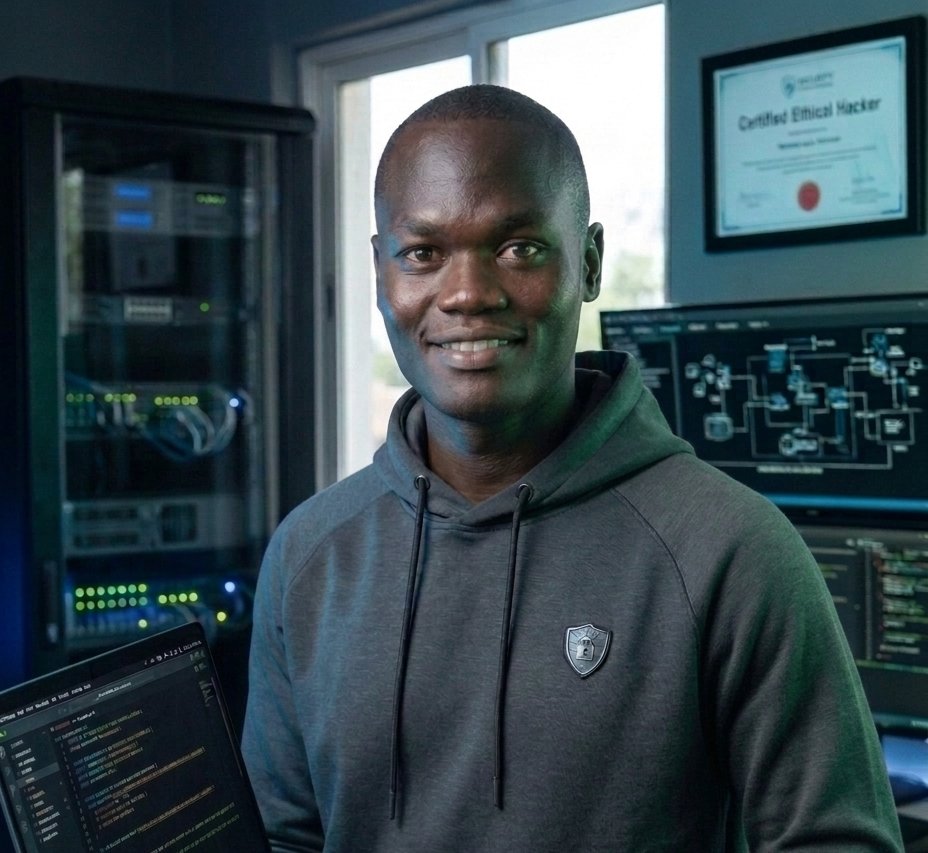
Reagan has over 5 years of professional data annotation experience with global AI companies, and founded Anchored Tech to bring high quality tech training to Northern Uganda and beyond.